
California Beer: From Frontier Saloons to the Golden State Beer Trail
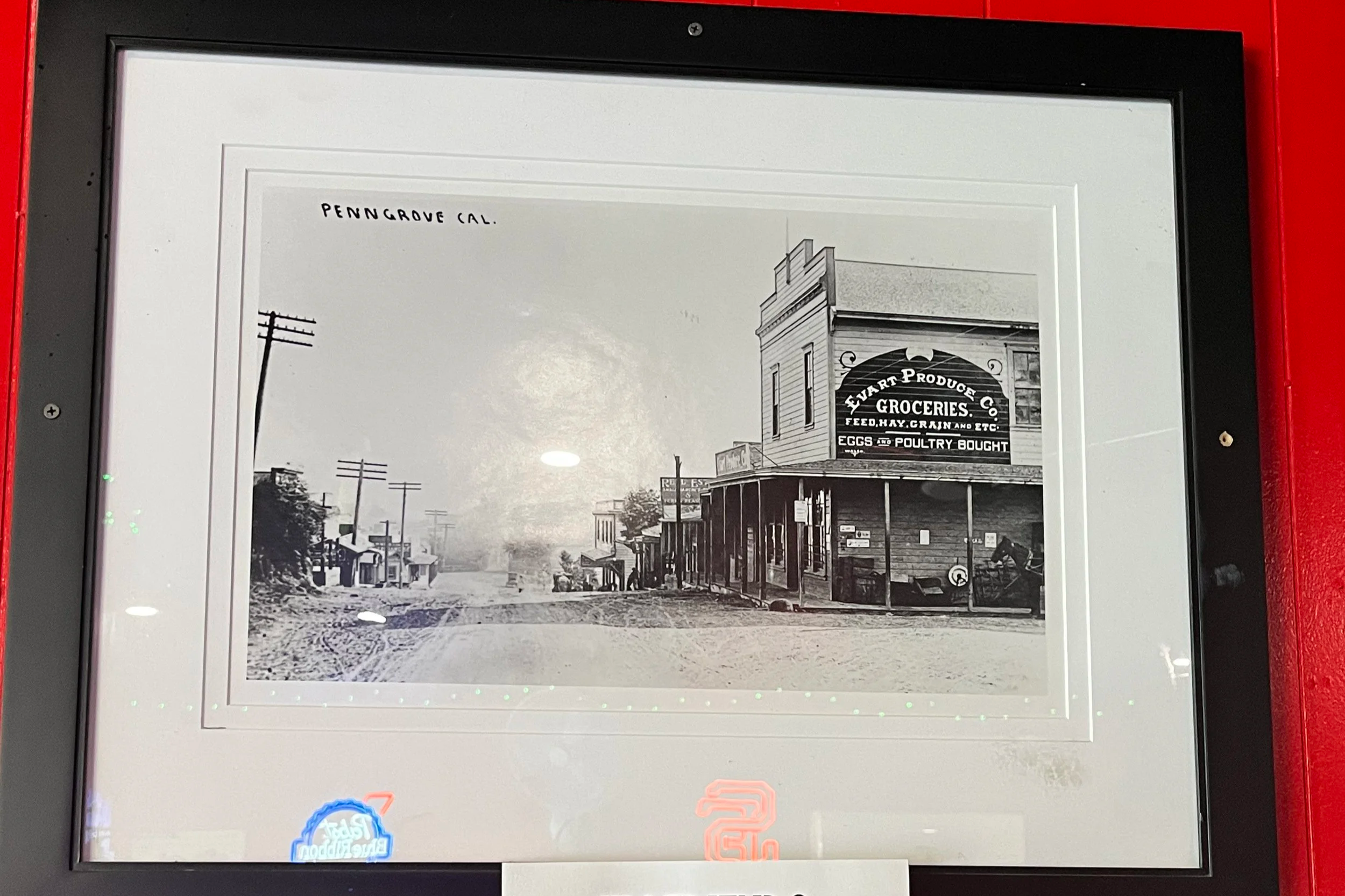
Photo on the wall of the Penngrove Pub in Penngrove, California.
The Golden State, as it is humbly known, has many industries that became a part of its creation story.
Gold first enticed hopeful individuals to make the journey however they were able to seek their fortune. The cities became hubs of commerce, with communities that were a vibrant mixture of people from all corners of the world who had heard the siren call of opportunity.
And wherever people gathered, they drank.
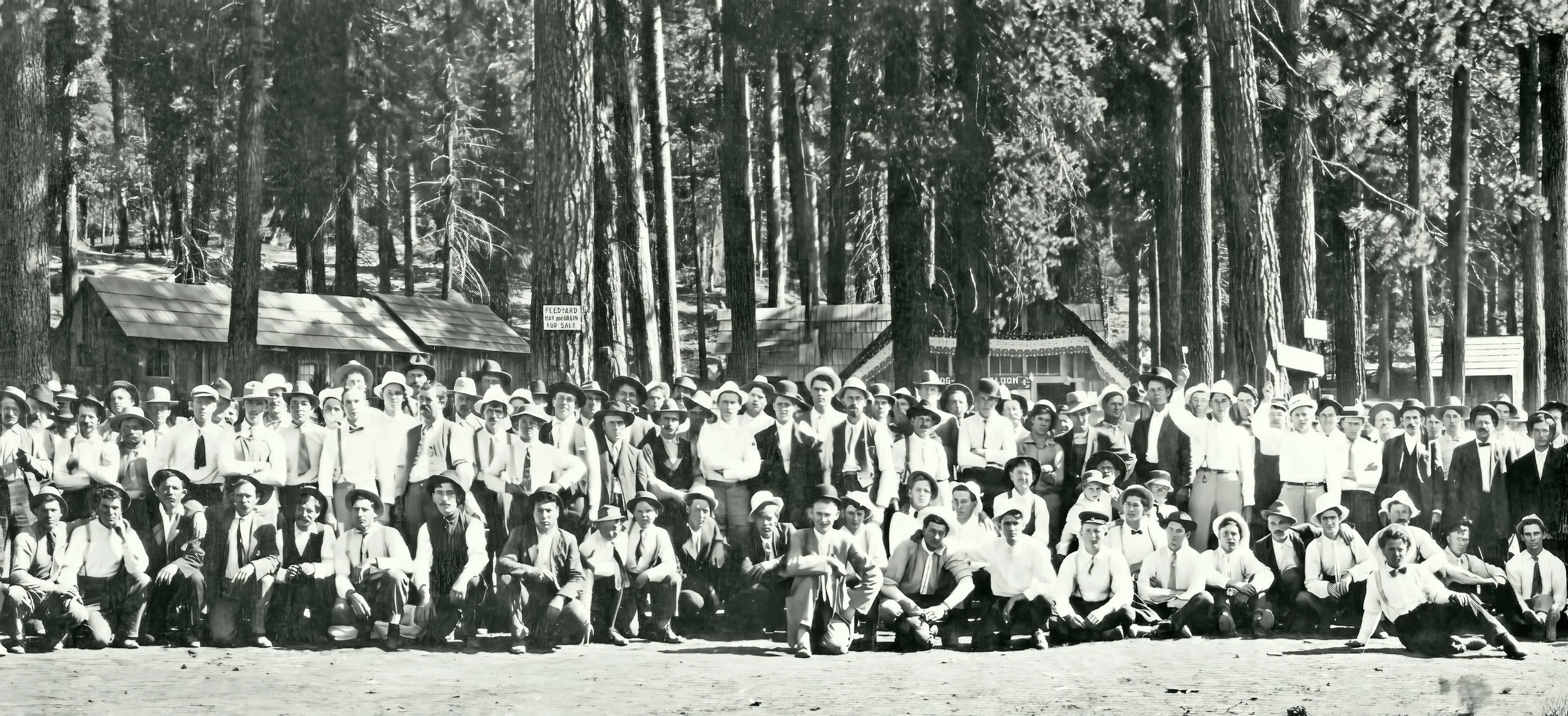
Loggers pose in front of the Anderson Saloon in Hume Lake, California. 1916
Drinking on the Frontier
Alcohol was an important part of life in the American West, and whiskey was very much the spirit of the American frontier. Saloons, taverns, hotels, and boarding houses became gathering places where miners, merchants, ranchers, sailors, gamblers, and travelers could share a drink and a story.
But California was never quite as isolated from the rest of the world as the image of the Wild West might suggest.
California had strong trade and cultural ties with Mexico, and those connections influenced what people drank. During and after the Gold Rush (1848–1855), travelers could encounter tequila, mezcal, Mexican wines, and, more rarely, pulque, particularly in communities with large Mexican populations.
People in the Old West didn't always make the careful distinctions between tequila and mezcal that we do today. American newspapers and merchants frequently referred to agave spirits simply as "mescal" or "Mexican whiskey."
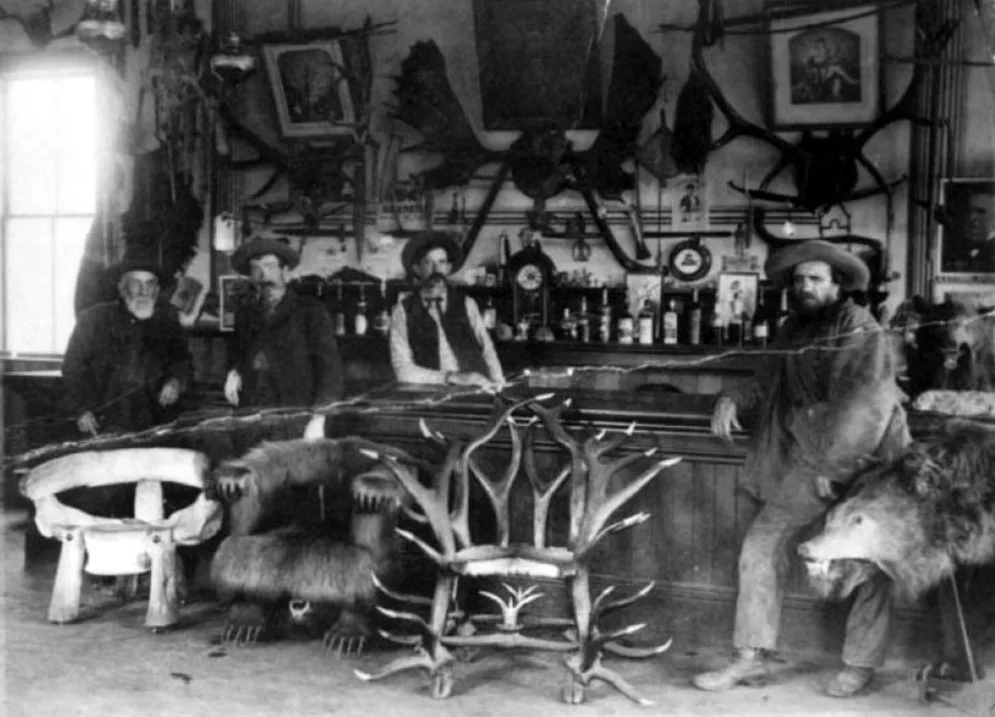
Seth Kinman’s Table Bluff Hotel and Saloon in Table Bluff, California. 1889
And spirits weren't the only beverages making their way west.
Believe it or not, some upscale frontier hotels and gambling halls stocked imported Champagne for wealthy cattle barons, mining investors, and railroad executives. The California frontier was developing into a surprisingly cosmopolitan place.
And Then There Was Beer
Beer occupied a particularly interesting place in this rapidly growing society.
For miners and laborers, it could be a refreshing alternative to stronger spirits. For immigrants, brewing offered a way to recreate familiar traditions in an unfamiliar land. And for entrepreneurs, a rapidly growing population meant an enormous new market.
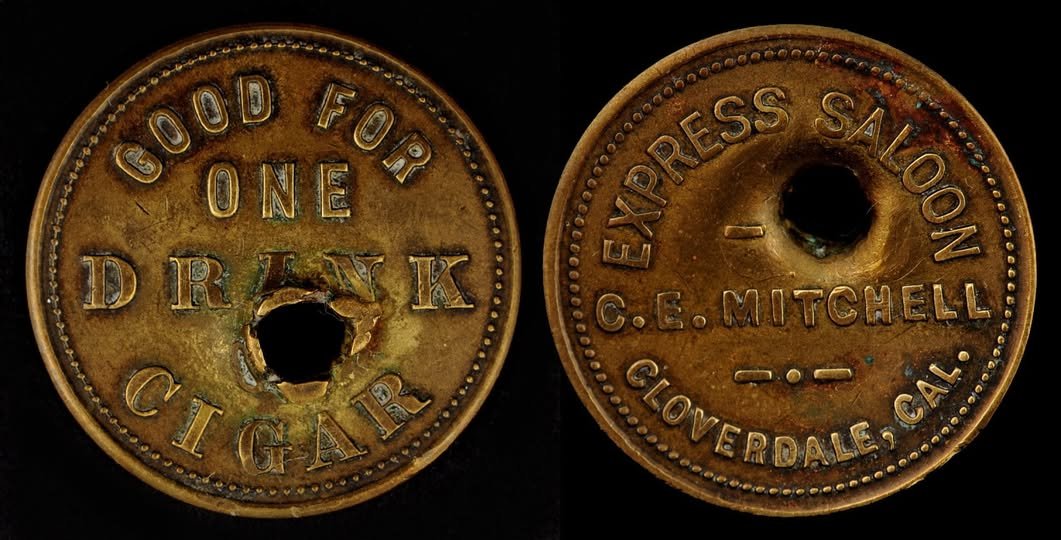
Trade Check Token good for one drink or cigar from C. E. Mitchell’s Express Saloon in Cloverdale, CA.
California's early breweries reflected the people who built the state. German immigrants brought lager-brewing traditions. English and Irish immigrants brought their own brewing customs. Mexican and Spanish influences remained part of the state's broader drinking culture.
San Francisco quickly became one of the most important centers of brewing in the West. The city's Gold Rush population explosion created an enormous demand for beer, and breweries began appearing throughout the Bay Area. Among the most famous was Anchor Brewing, whose history would eventually become deeply intertwined with the story of American craft beer. But beer wasn't necessarily consumed at the brewery. It was consumed where people gathered.
The California Pub
Before the modern craft beer taproom, there was the neighborhood pub, tavern, saloon, and beer hall. These establishments served a purpose that went far beyond selling alcohol. They were places to meet friends, conduct business, exchange news, celebrate victories, commiserate over losses, and occasionally argue about politics, horses, and whose team was going to win. In mining towns, saloons could be rough-and-tumble affairs. In immigrant neighborhoods, beer halls became important social centers. In growing cities, neighborhood taverns offered workers and families a place to relax after a long day. The idea of the pub as a community gathering place would become an important part of California's beer culture; and eventually, one of the defining characteristics of the modern craft brewery.
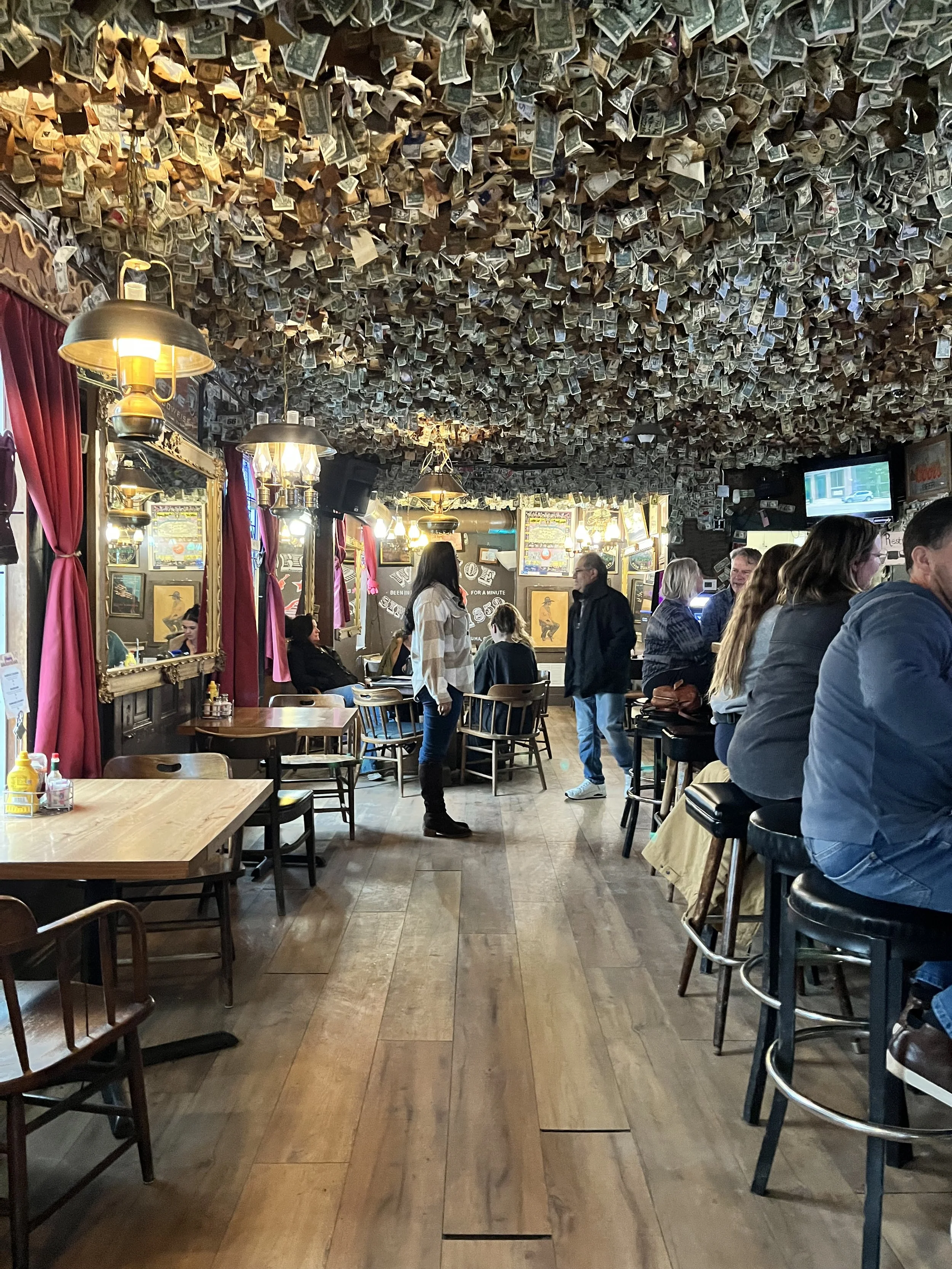
Washoe House in Petaluma, California
From Breweries to Beer Tourism
California's relationship with beer continued to evolve throughout the twentieth century. The rise of industrial brewing changed what Americans expected from their beer, but California's brewing traditions never completely disappeared. Then came the craft beer revolution. Beginning in the late twentieth century, California became one of the great laboratories of American craft brewing. Brewers began experimenting with hops, yeast, malt, barrel aging, wild fermentation, fruit, herbs, spices, and virtually anything else they could put into a fermenter.
The result is the California beer culture we know today: enormous, diverse, experimental, and impossible to experience in a single weekend. There are legendary breweries, tiny neighborhood taprooms, beer bars, brewpubs, beer gardens, bottle shops, and restaurants where the beer list is treated with the same respect as the wine list. And that's where the modern beer adventure begins.
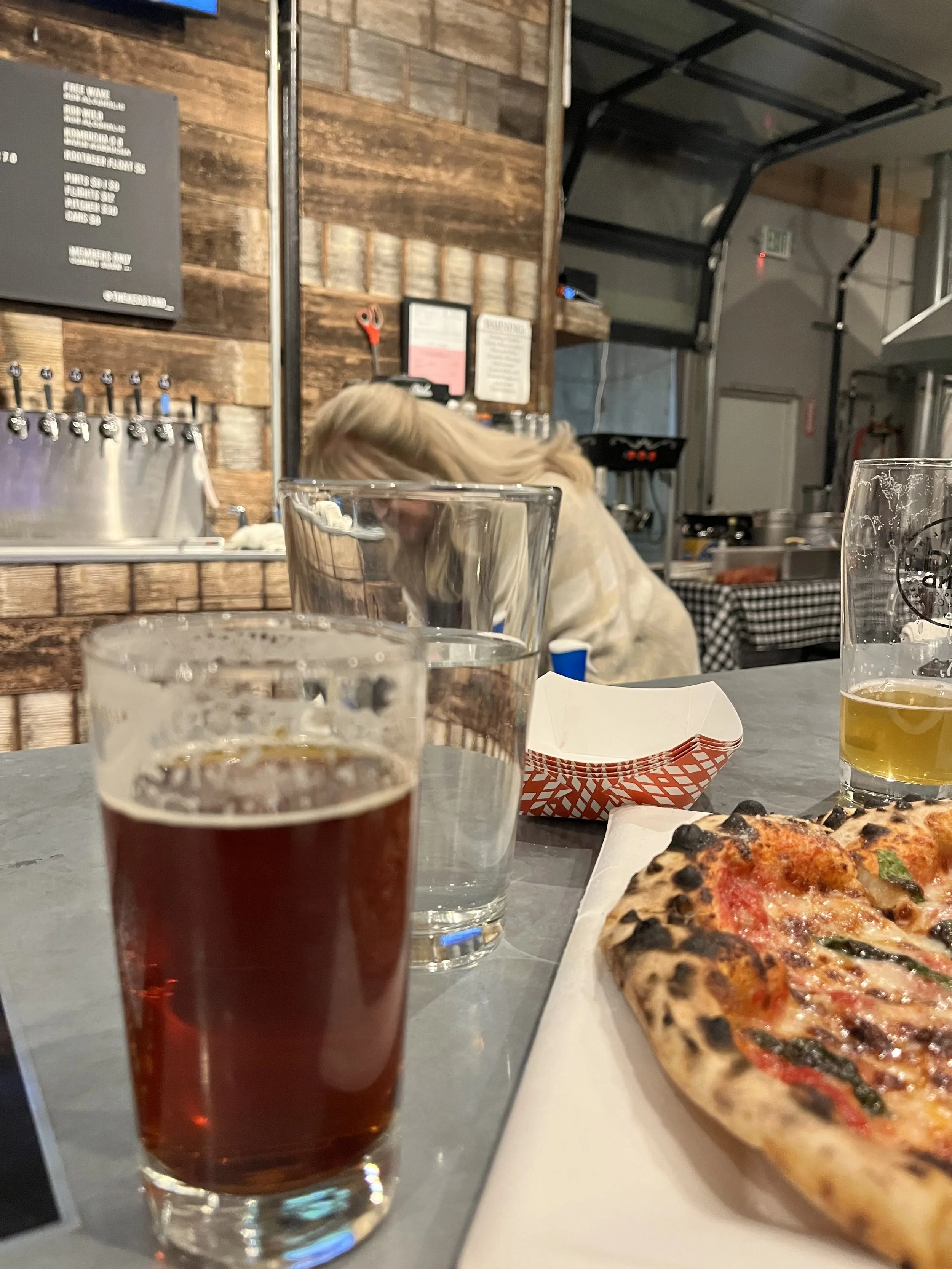
@elitospizza at @thekegstand in Novato, California.
The California Beer Flight
Today, exploring California beer isn't about finding the biggest or most famous breweries. It's about discovering the communities surrounding them. A great beer destination might be a historic brewery in San Francisco, a farmhouse brewery tucked into the countryside, a neighborhood brewpub where the brewer knows half the customers by name, or a tiny taproom pouring something you've never tasted before. That's the beauty of exploring California by beer.
At Beer Flight Masters, we created our 2026 California Beer Flight Map to make that exploration a little easier. We've mapped dozens of beer destinations across the state, creating a road map for anyone who wants to discover California one brewery, pub, taproom, and beer flight at a time.
The Gold Rush may have brought people west looking for gold, but California's long history of brewing and drinking created another kind of treasure hunt. Today, you don't need a pickaxe. You just need a designated driver, a little curiosity, and somewhere to start.
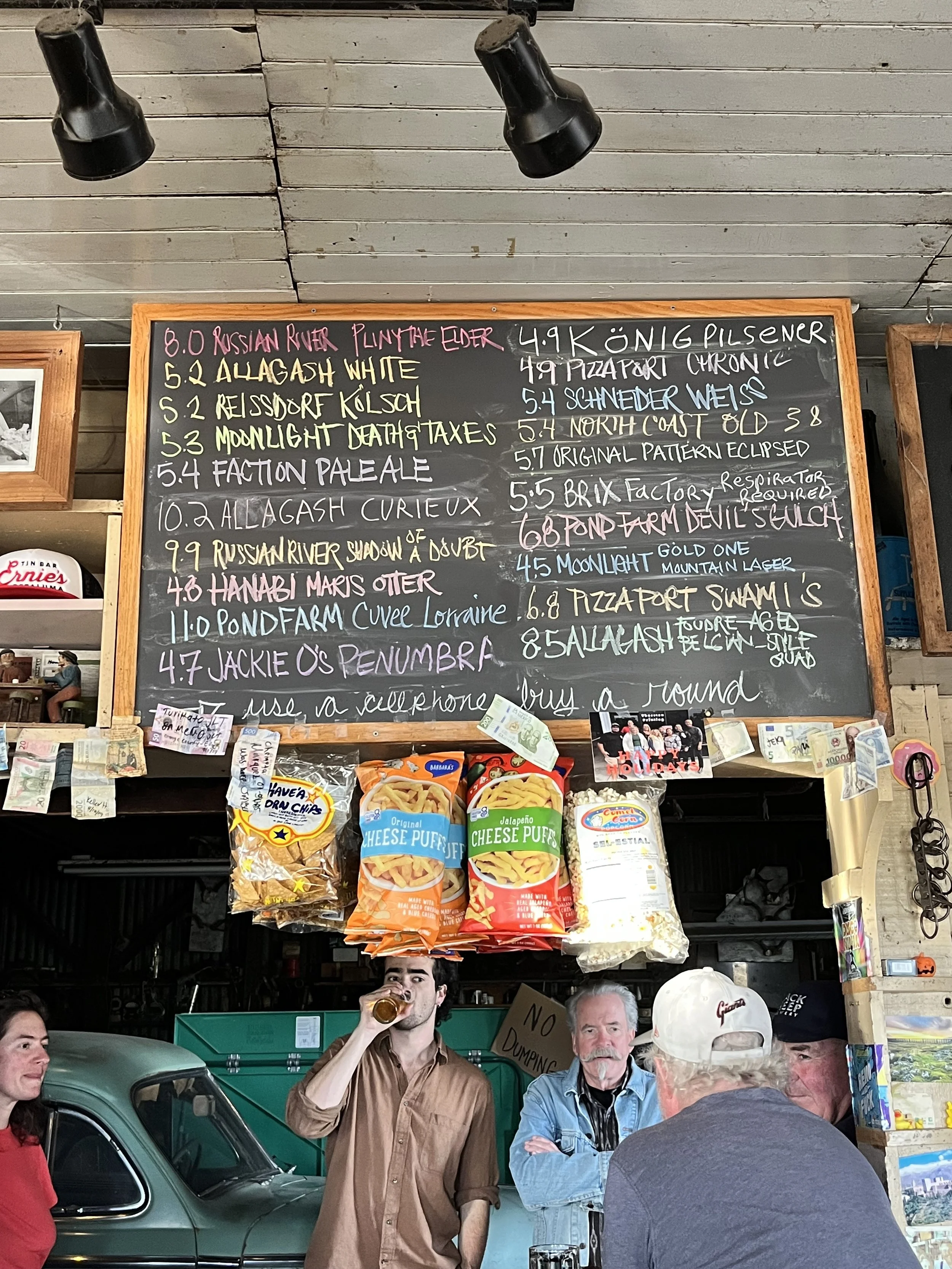
Ernie’s Tin Bar, West Sonoma County California