
Flight Safety: Plan Your Beer Adventure Responsibly
1. Make a transportation plan before the first pour
The safest ride home is the one you arrange before drinking. The safest ride home is the one you arrange before drinking.
Choose a sober designated driver who genuinely plans not to drink. Use a rideshare, taxi, public transportation, or a brewery shuttle where available.
Arrange a place to stay if you’re visiting a destination where transportation options are limited. If plans change, change the ride plan—not the safety standard.
Never get into a vehicle with someone who is impaired. A useful distinction: a designated driver is a person who does not drink, not simply the person who feels the least intoxicated.
NHTSA and CDC both emphasize planning ahead and using a sober driver or alternative transportation.
2. Remember that a beer flight is still alcohol
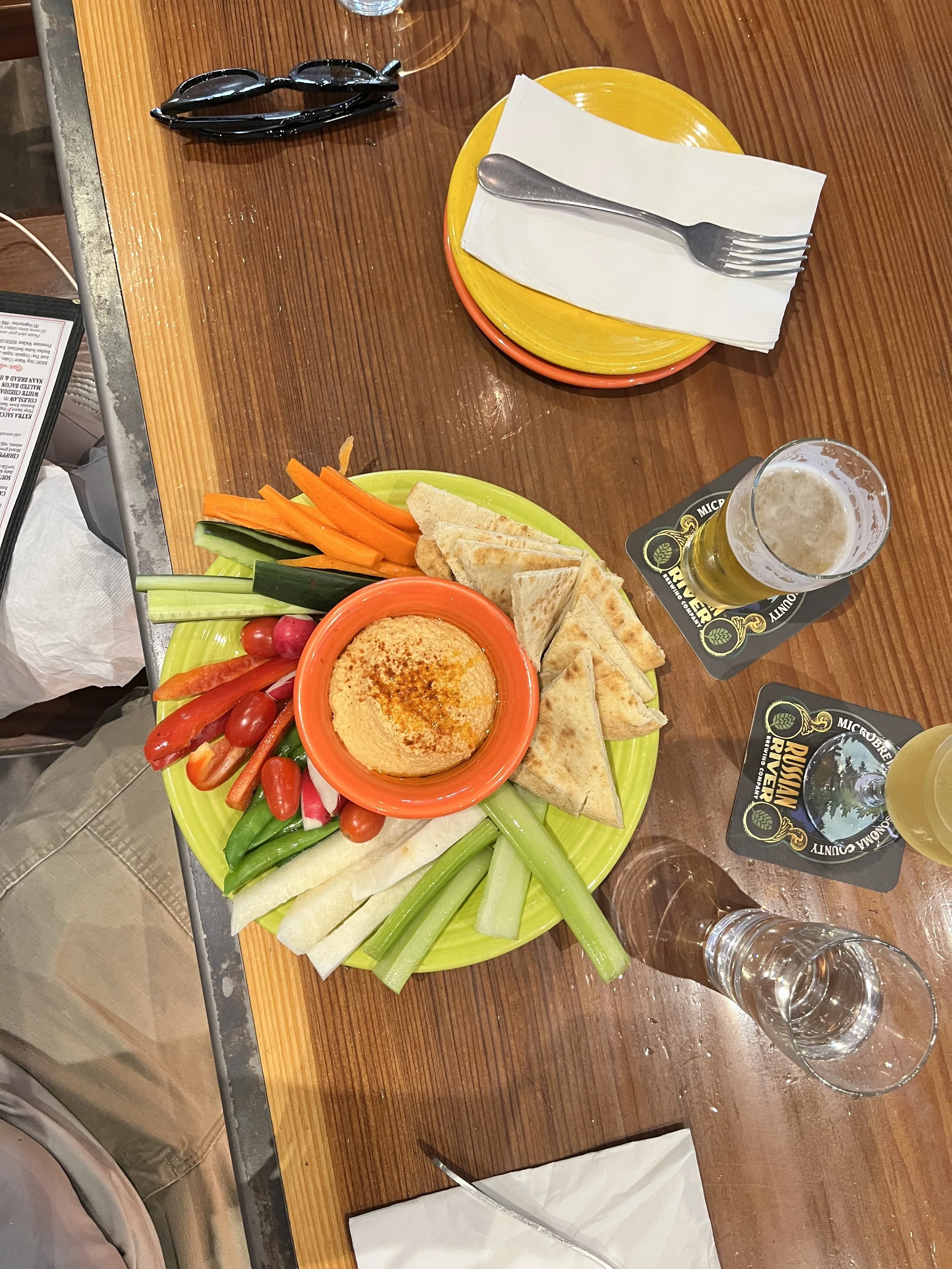
Flights can make it easy to sample several beers without realizing how much alcohol you’ve consumed. A small pour is not necessarily a standard drink, and ABV, pour size, food, pace, and individual factors all matter.
Consider including:
Check the ABV and pour size. A strong beer in a small glass can contain more alcohol than expected.
Pace yourself. There’s no prize for finishing every sample.
Eat and drink water. Food and nonalcoholic beverages can help make an outing more comfortable, but they do not sober someone up or make driving safe.
Take breaks between stops. A multi-brewery itinerary should include time to relax, eat, and enjoy the surroundings.
Don’t use “I feel fine” as a safety test. People can be impaired before they recognize it.
3. Build a route that makes sense and leaves room for safety
Check the distance between stops
Look at the actual driving distance and travel time, not just how close locations appear on a map. Rural breweries may be farther apart than expected, and some routes may involve dark, winding, or poorly lit roads.
Plan food and rest stops
Include breweries with kitchens, food trucks, or nearby restaurants. A good itinerary should have time to sit, eat, hydrate, and enjoy the experience; not rush from one pour to the next.
Account for the return trip
The final stop should not leave visitors stranded far from home. Check the last available transit, rideshare coverage, taxi options, or nearby lodging before setting out.
4. Traffic safety: driving, walking, and cycling
If you're driving
Never drive after drinking alcohol or using cannabis or other impairing substances.
Buckle up, every trip, in every seat.
Follow posted speed limits and use turn signals.
Watch for pedestrians, cyclists, motorcycles, and people entering or leaving taprooms.
Don't assume a short drive is a safe drive.
If you're walking:
Use sidewalks and designated crossings where available.
Obey traffic signals and look for turning vehicles.
Stay visible after dark; wear reflective or light-colored clothing when appropriate.
Avoid walking along high-speed roads or poorly lit shoulders after drinking.
If you've been drinking, choose a safe ride rather than assuming walking home is harmless.
Alcohol can affect balance, judgment, and awareness, and walking near traffic while impaired carries real risk.
If you're biking or using a scooter:
Never ride after drinking or using impairing substances.
Don't assume a bike ride is a safer alternative to driving if you've been drinking.
Arrange a sober ride, use a designated driver who can transport the bike, or leave the bike secured and return another time.
Wear a helmet and use lights and reflectors when riding.
NHTSA specifically advises against riding a bicycle or scooter after drinking because even small amounts of alcohol can affect balance and reaction time.
Be curious, not careless.
Explore new beers, respect the places you visit, and help make the experience enjoyable for everyone.
Respect brewery and taproom staff, their service policies, and closing times.
Follow posted rules around outdoor areas, pets, children, parking, and alcohol consumption.
Never pressure someone to drink, finish a flight, or visit another stop.
Keep an eye on friends who may be struggling, especially when traveling in unfamiliar places.
If someone has had too much to drink, help them get somewhere safe. Don't let them drive.
Be respectful of neighboring businesses and residential areas when parking, gathering, or leaving.