
SRM
SRM stands for Standard Reference Method, a scale used to measure the color of beer. It helps describe how light or dark a beer appears in the glass, from pale straw to deep black.
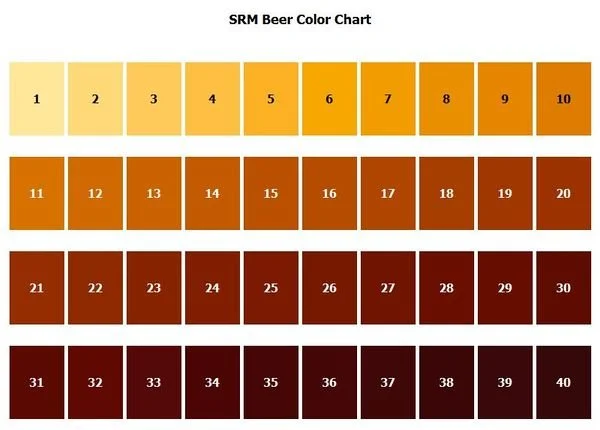
The SRM scale is numerical
with lower numbers indicating lighter beers and higher numbers indicating darker ones. A pilsner or Kölsch might fall around 2–4 SRM, ambers and browns land in the middle, while stouts and porters can reach 30 SRM or higher. While SRM doesn’t define flavor on its own, color often hints at malt character—lighter beers tend to be crisp and delicate, while darker beers may suggest richer, roasted notes.

Why it matters
Brewers use SRM as a visual benchmark, and drinkers use it as a quick cue. Whether you’re scanning a tap list or building a flight, SRM helps set expectations before the first sip.
SRM gives beer color a common language. It helps brewers communicate intent and helps drinkers anticipate what’s in the glass—before aroma, before flavor, before foam.