
Nitrogen is a gas used in beer service to change mouthfeel, appearance, and overall drinking experience. When used instead of—or alongside—carbon dioxide, nitrogen creates much smaller bubbles, resulting in a smooth, creamy texture and a dense, long-lasting head.
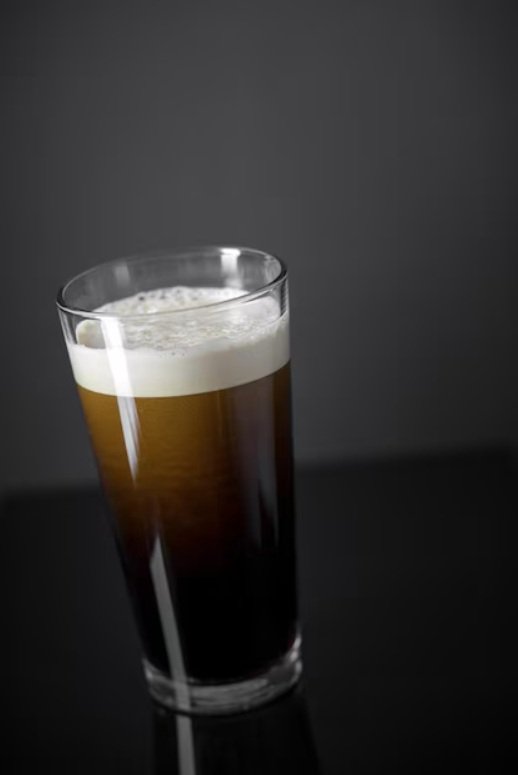
Unlike carbon dioxide, nitrogen is far less soluble in liquid. This means it doesn’t produce sharp carbonation or bite. Instead, it softens bitterness, rounds out flavors, and gives beer a velvety finish. The visual effect is unmistakable: a cascading waterfall of bubbles that settle into a thick foam cap moments after the pour.
Nitrogen is most commonly associated with stouts and porters, but it’s also used with cream ales, lagers, and even IPAs to highlight body and balance over sharp hop intensity. Nitro beers are typically served at slightly lower carbonation and through a restrictor plate in the tap, which creates the signature cascade.
Nitrogen doesn’t just affect how beer looks—it changes how it feels. By emphasizing texture and smoothness, nitrogen offers a different way to experience familiar styles, making each sip slower, softer, and more intentional.