
During fermentation, yeast consumes sugars and produces alcohol, carbon dioxide, and a wide range of flavor compounds. This process doesn’t just create alcohol, it shapes aroma, mouthfeel, and character. Esters and phenols emerge here, making fermentation one of the most influential stages in brewing.
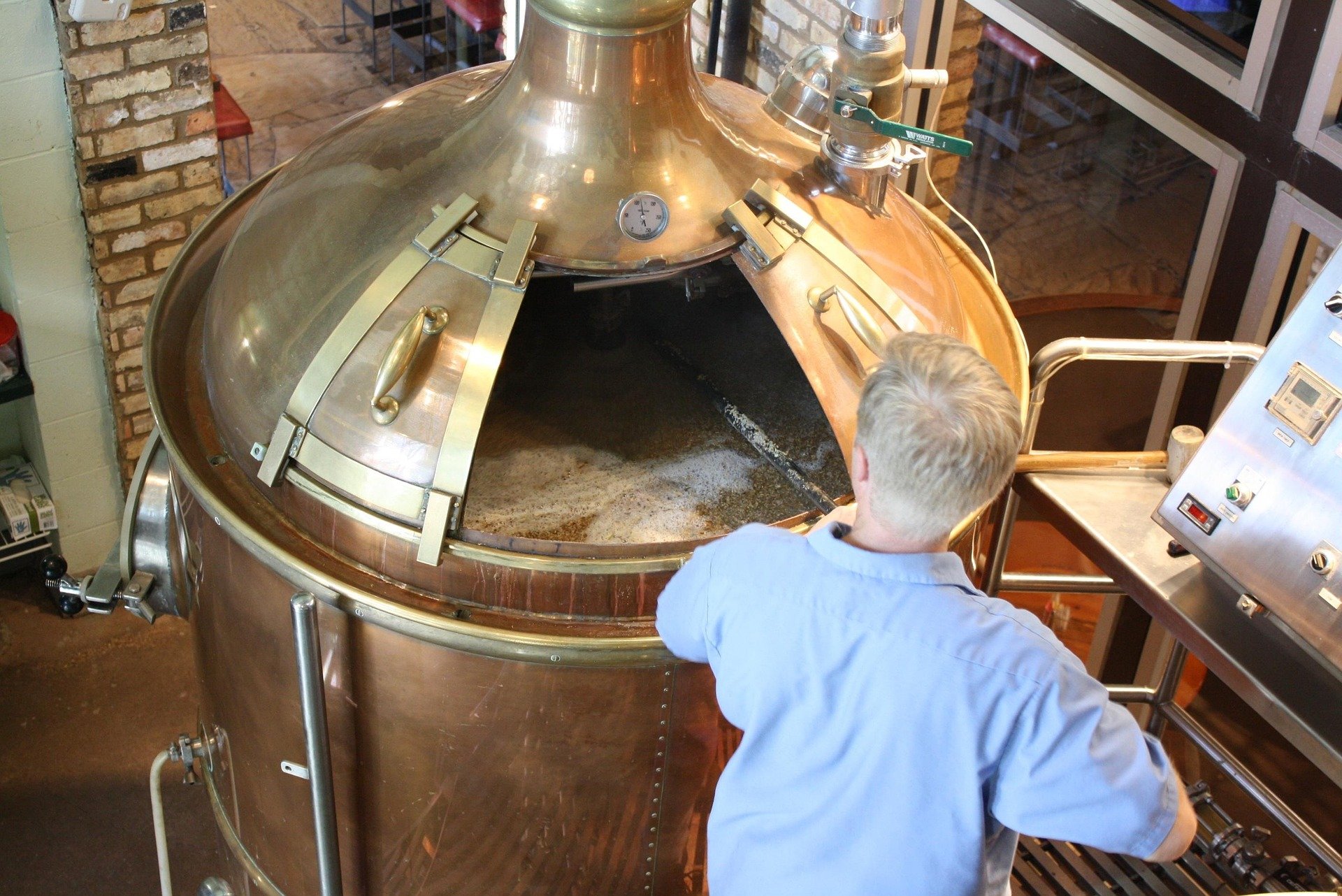
Different yeasts ferment differently.
Some work clean and crisp, others expressive and wild. Temperature, time, and yeast strain all play a role, which is why two beers made from similar ingredients can taste entirely different once fermentation does its work.
Both a Verb and a Noun
Ferment comes from the Latin fermentum, meaning a leavening or bubbling agent.
It functions as both a verb and a noun, describing the process of transformation as well as the active state or substance itself.
Historically, ferment has always been understood as both a thing and a happening.